Encryption Standards Shaping Unified Loyalty Pathways Across Chance Generators, Decision Trees, and Market Predictions in Compact Gaming Systems
Written by Otto Koch · Aug 20, 2026
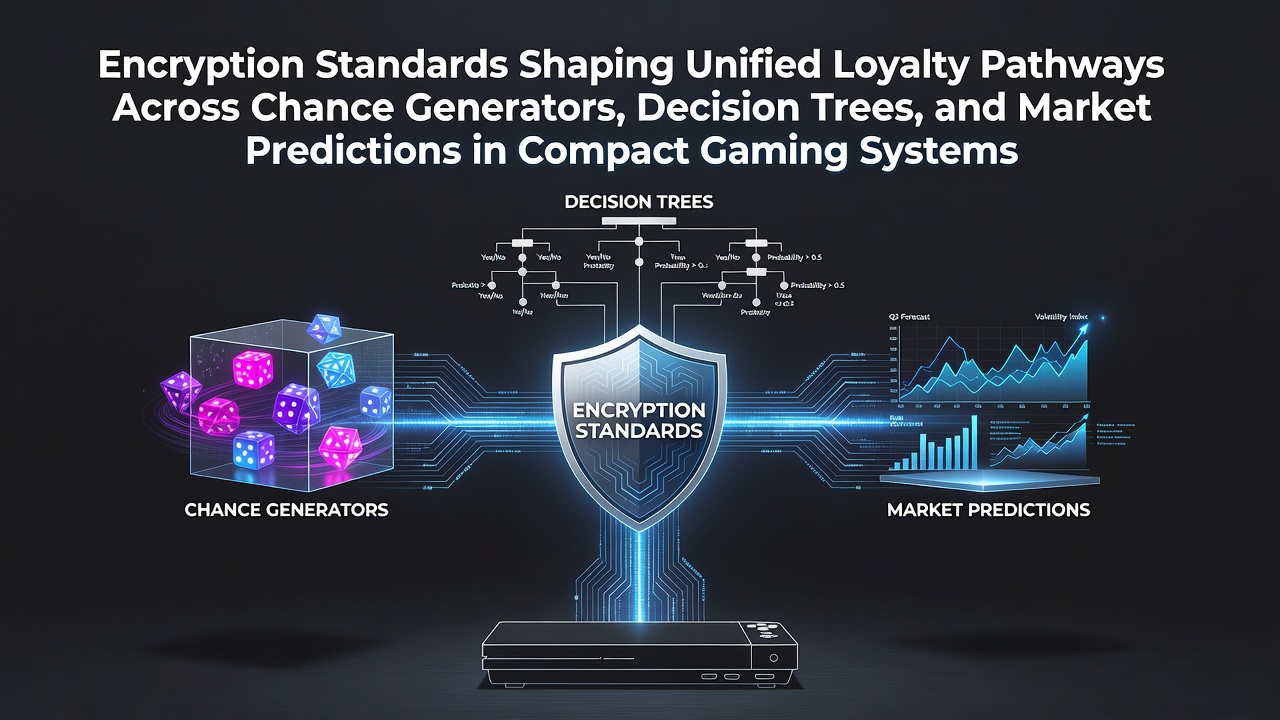
Encryption Standards Shaping Unified Loyalty Pathways Across Chance Generators, Decision Trees, and Market Predictions in Compact Gaming Systems
Compact gaming systems rely on encryption standards to protect data movement between random number generators, algorithmic decision frameworks, and predictive market models while maintaining unified loyalty tracking across mobile platforms. Standards such as AES-256 and TLS 1.3 form the backbone of these protections, allowing seamless integration of player rewards without exposing sensitive transaction details or behavioral profiles. In August 2026 reports from multiple jurisdictions highlighted continued adoption of updated cipher suites that support real-time synchronization between slot mechanics, strategic card play, and live event forecasting modules.
Core Encryption Protocols in Portable Gaming Environments
Developers implement AES-256 for encrypting stored loyalty points and session data on handheld devices, while TLS 1.3 handles live data exchanges between chance generators and centralized reward databases. These protocols prevent interception during transfers that link reel outcomes to accumulated bonuses or feed decision tree outputs into personalized market predictions. Observers note that compact systems now process these elements through end-to-end encrypted channels, reducing latency while complying with regional data protection requirements. Research from the National Institute of Standards and Technology outlines how post-quantum cryptography preparations have begun appearing in gaming hardware updates scheduled for late 2026.
Linking Random Number Generators to Loyalty Tracking
Chance generators produce outcomes that directly influence loyalty point allocation in mobile applications, yet encryption ensures these results remain tamper-proof when transmitted to reward engines. Systems encrypt each generated value along with associated player identifiers before routing them through decision trees that calculate bonus multipliers. This process allows unified pathways where slot results contribute to poker progression metrics and sports betting forecasts without creating separate data silos. Data from the Alcohol and Gaming Commission of Ontario shows increased verification rates for encrypted RNG outputs in regulated mobile environments during the first half of 2026.
Decision Trees and Market Predictions Under Encryption
Decision trees analyze player behavior patterns drawn from encrypted datasets, then feed adjusted strategies into market prediction engines that forecast betting line movements. Encryption standards maintain the integrity of these linkages by securing intermediate calculations that connect card game probabilities with live event data streams. Unified loyalty programs benefit because rewards can accumulate across all three domains while remaining protected against unauthorized access or manipulation. Industry reports indicate that portable devices running these combined models achieved higher session continuity rates after adopting hardware-backed key storage in early 2026.
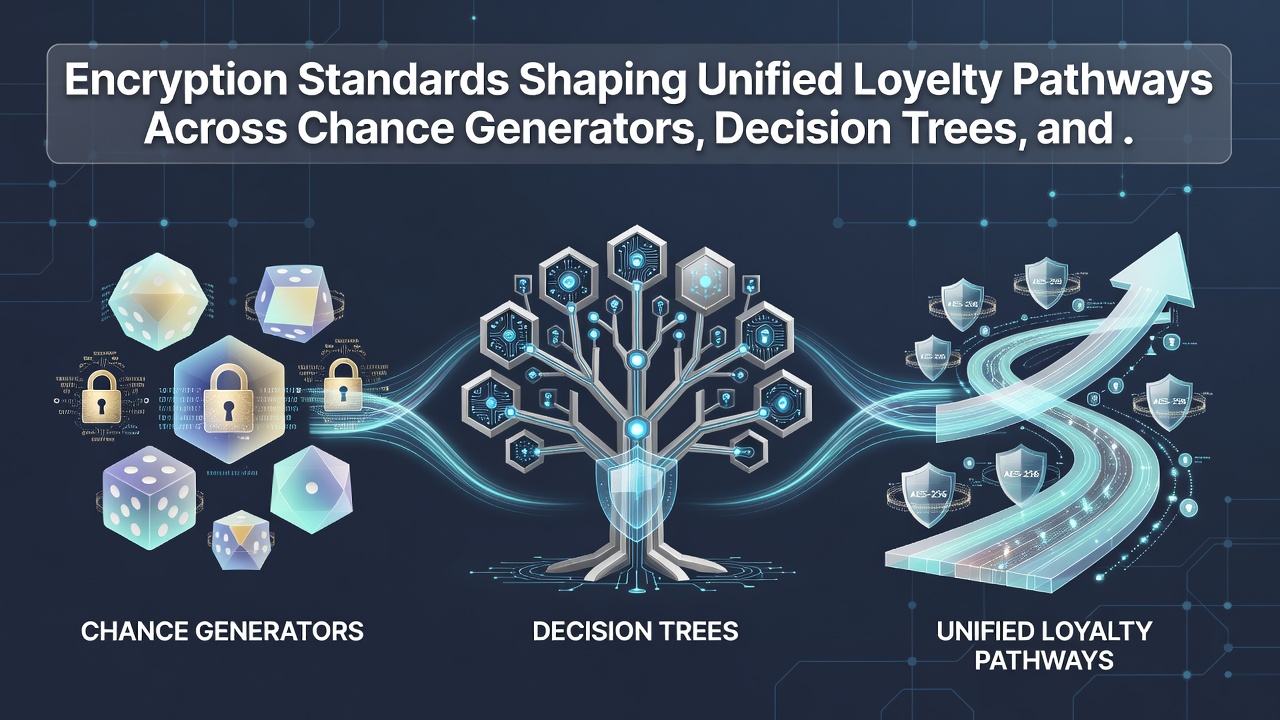
Regulatory and Technical Developments Through Mid-2026
Multiple gaming authorities have updated technical standards requiring minimum encryption levels for any system connecting chance-based mechanics with predictive analytics. These rules emphasize auditability of encrypted loyalty pathways, ensuring regulators can verify that decision tree outputs and market forecasts contribute accurately to player reward calculations. Compact gaming platforms incorporate these requirements through regular firmware updates that maintain compatibility across devices. Figures released by the European Gaming and Betting Association in summer 2026 documented widespread implementation of encrypted cross-game loyalty features in European mobile markets.
Implementation Patterns Across Gaming Categories
Slot systems transmit encrypted RNG results to central servers where decision trees evaluate play frequency before adjusting loyalty tiers that also factor in sports betting activity. Card game modules follow similar flows, encrypting hand histories and strategy choices so they integrate cleanly with market prediction outputs. This architecture supports single sign-on loyalty experiences while isolating each component behind separate encryption keys. Those who manage large mobile gaming fleets report that such segmentation reduces breach impact when isolated incidents occur.
Conclusion
Encryption standards continue to enable unified loyalty pathways by securing the connections between chance generators, decision trees, and market predictions in compact gaming systems. Technical updates throughout 2026 have reinforced these protections, supporting consistent reward tracking across mobile gaming formats. Ongoing compliance efforts by regulatory bodies and industry groups ensure these frameworks remain both functional and secure as device capabilities advance.