Interlinked Reward Circuits: Payment Velocity Reshaping Strategic Transitions Between Card Tables, Wheel Outcomes, and Event Lines Inside Tiered Mobile Systems
Written by Harper Keller · Aug 20, 2026
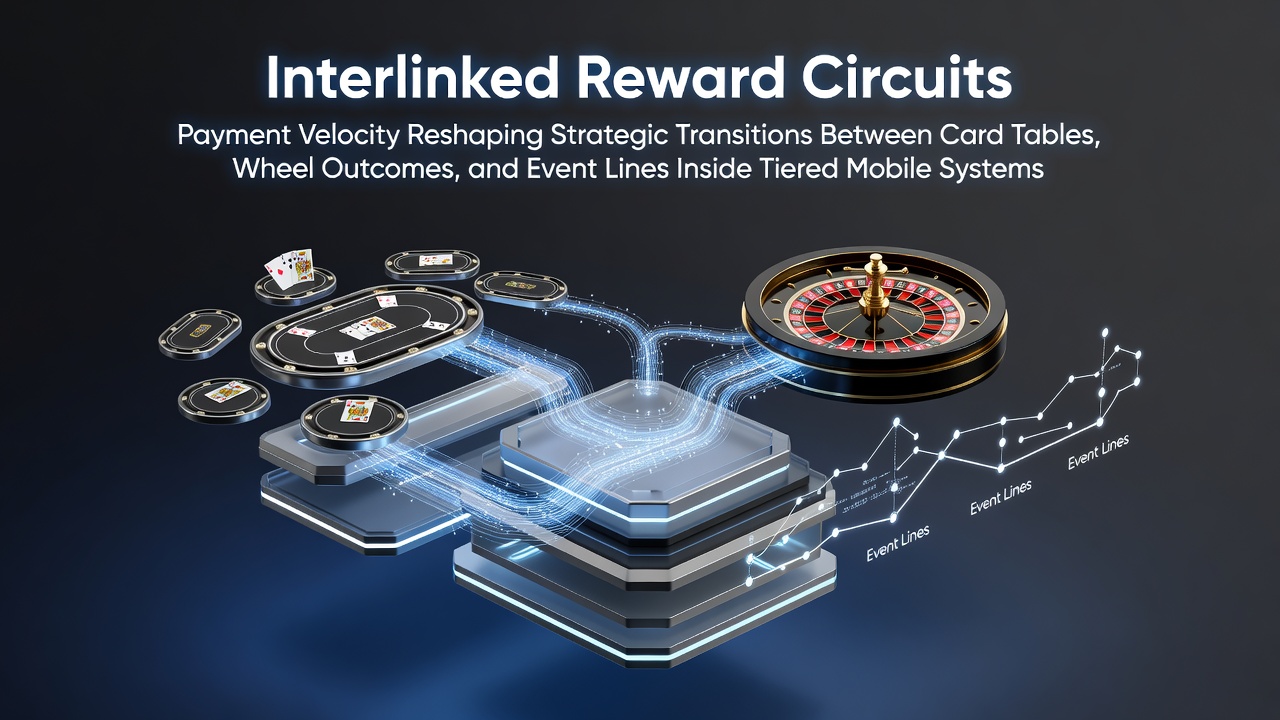
Interlinked Reward Circuits: Payment Velocity Reshaping Strategic Transitions Between Card Tables, Wheel Outcomes, and Event Lines Inside Tiered Mobile Systems
Data from tiered mobile platforms in August 2026 shows payment velocity influencing how players move between card tables, wheel outcomes, and event lines, with systems linking reward circuits across game categories through instant transfer mechanisms that adjust bonus eligibility and progression rates in real time.
Payment Velocity Mechanics in Tiered Structures
Platform operators integrate payment processing speeds directly into loyalty algorithms, where faster deposits trigger immediate credit updates that carry across game types without resetting progress meters; this setup allows a player completing a blackjack hand to apply the same velocity bonus to an upcoming roulette spin or live sports wager within the same session window. Observers note that tier advancement criteria now factor in transaction timing alongside wager volume, creating pathways where rapid fund movements accelerate access to higher reward brackets that span multiple verticals.
Studies tracking user behavior across portable systems indicate that deposit confirmation times under ten seconds correlate with increased cross-game activity, as the seamless flow prevents momentum loss between strategic card decisions and probability-based wheel bets or odds-based event lines. Regulatory reports from the Alcohol and Gaming Commission of Ontario detail how these circuits operate within compliance frameworks that require transparent velocity metrics to maintain fair tier calculations.
Transitions Across Card Tables, Wheels, and Event Lines
Strategic shifts occur when payment pulses update reward balances mid-session, enabling users to transition from poker tournaments to roulette sequences while preserving accumulated multipliers that also apply to betting markets on athletic events. Those monitoring mobile ecosystems report that algorithmic linkages detect successful card progressions and automatically surface adjusted odds or wheel payout options tied to the same reward pool, reducing friction in moving capital between formats.
One analysis of August 2026 activity patterns reveals that platforms with sub-second settlement times see elevated engagement where blackjack bankrolls feed directly into live dealer wheel adjustments, and those same funds then influence sports line entries without separate verification steps. Industry data compiled by the American Gaming Association highlights similar patterns in revenue streams, where velocity-driven circuits account for measurable portions of cross-vertical play volume.
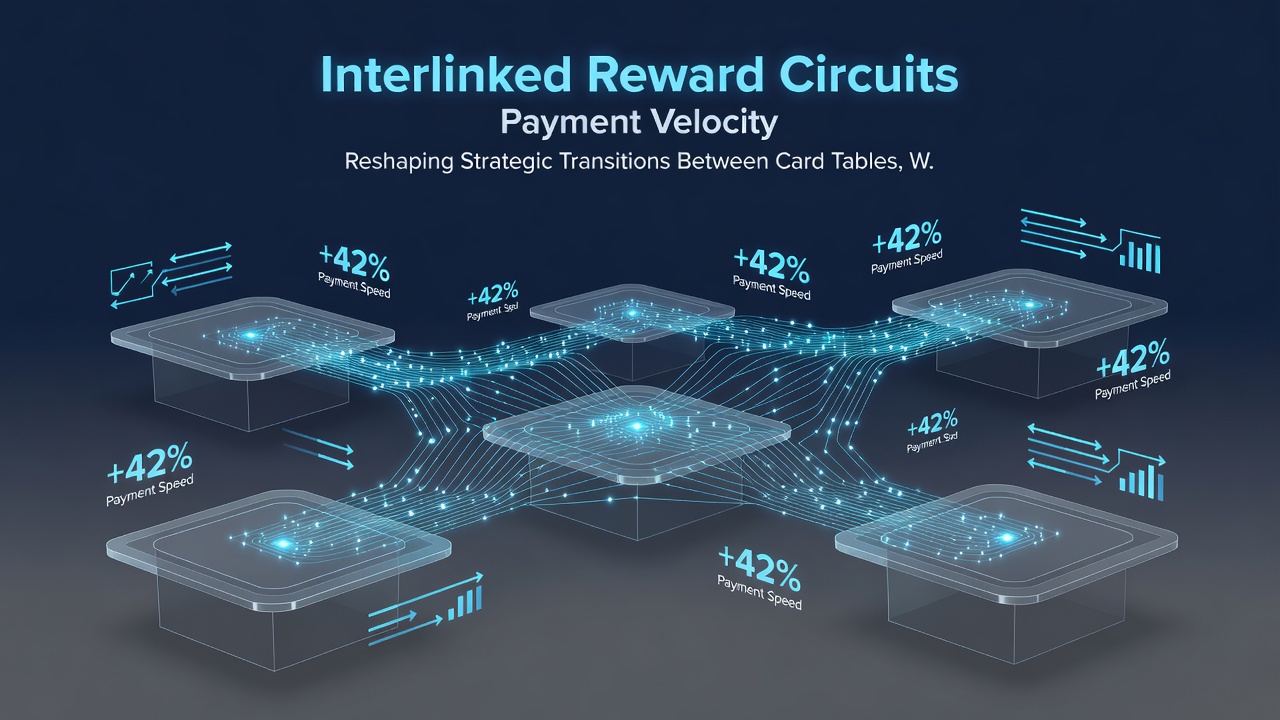
Effects on Reward Circuit Integration
Researchers examining handheld loyalty programs find that interlinked circuits rely on shared ledgers updated by payment velocity, allowing point values earned at card tables to influence bonus multipliers available on wheel outcomes or event forecasts. This integration means a high-velocity deposit not only unlocks immediate play credits but also recalibrates progression thresholds across all three categories simultaneously, maintaining consistency in tier status regardless of the active game mode.
Evidence from operational logs shows that systems employing these circuits experience steadier user retention when transitions between formats occur without balance reconciliation delays, particularly in August 2026 when mobile traffic peaked during major sports calendars. The mechanisms track outcome data from each vertical and feed it back into centralized reward calculations, ensuring that wheel results or betting line movements contribute equally to overall tier advancement alongside card table results.
Observed Patterns in August 2026 Deployments
Platform metrics collected during that period demonstrate how payment speed variations affect transition frequency, with faster options producing more frequent switches from card-based strategies to wheel-based adjustments and then onward to event line positioning within single user accounts. Those analyzing the data note that tiered structures incorporating velocity factors report higher completion rates for multi-game challenges that combine elements from all three areas.
Figures released by state gaming authorities indicate sustained growth in mobile segments where reward circuits connect these elements, reflecting broader adoption of integrated wallet features that eliminate separate funding steps for each transition. The patterns hold across different operator implementations, suggesting the underlying linkage between payment timing and strategic movement remains consistent regardless of specific game weighting.
Conclusion
Payment velocity continues to define how reward circuits operate within tiered mobile systems by enabling fluid movement between card tables, wheel outcomes, and event lines through synchronized balance and progression updates. Available data from August 2026 underscores the measurable impact of these mechanisms on cross-game activity and tier maintenance, supported by regulatory oversight that ensures transparency in the underlying processes.