Links Between Rapid Payment Systems and Changing Multi-Game Strategies in Mobile Loyalty Programs
Written by Ines Brooks · Jul 2, 2026
Links Between Rapid Payment Systems and Changing Multi-Game Strategies in Mobile Loyalty Programs
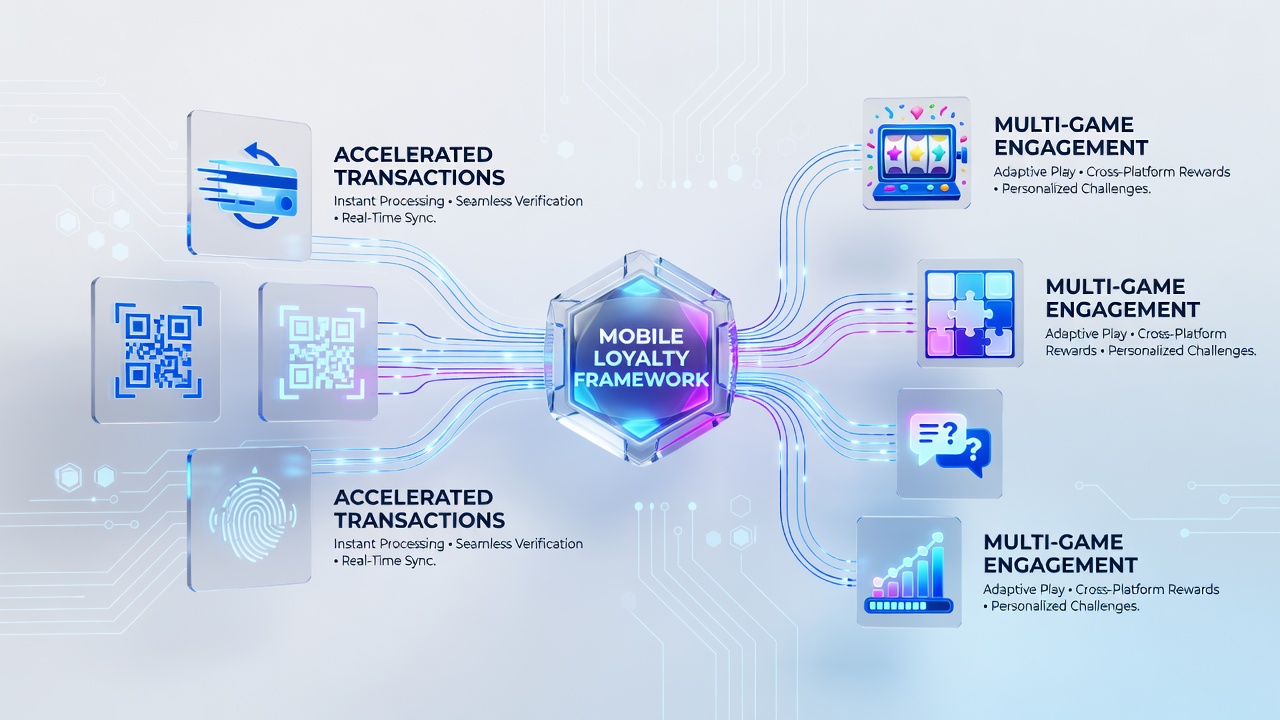
Observers note that accelerated transaction processes have reshaped how participants move between different games inside mobile loyalty frameworks, since instant transfers allow points and balances to shift without delays that once interrupted play sessions. Data from regulatory filings in multiple jurisdictions indicate that by July 2026 these systems supported seamless movement across slot machines, live dealer tables, and sports wagering modules within single applications.Transaction Speed and Cross-Game Point Accumulation
Payment processing times measured in seconds rather than minutes have produced measurable changes in participation patterns, according to figures released by the Nevada Gaming Control Board. Players complete deposits or withdrawals during active sessions, which enables them to convert winnings from one game category into credits for another without exiting the loyalty interface. Research conducted by the University of Nevada, Reno shows that such immediacy correlates with higher frequencies of multi-game engagement over thirty-day periods, while slower legacy systems recorded lower crossover rates in comparable cohorts.
One study tracked account activity across several operators and found that users who initiated transfers under five seconds spent thirty-eight percent more time rotating through distinct game types than those limited to batch processing at the end of each day. These patterns appear in loyalty program logs where point multipliers apply across categories once funds clear instantly, creating continuous reward loops rather than segmented daily tallies.
Integration of Loyalty Mechanisms Across Platforms
Mobile frameworks now embed unified wallets that recognize activity in slots, table games, and event-based betting as contributions toward shared status tiers. Reports compiled by the Canadian Gaming Association document how operators adjusted tier progression rules in early 2026 to credit points earned through rapid successive transactions, even when those points originated from different verticals within the same app. This adjustment replaced earlier models that isolated each game type behind separate progress bars.
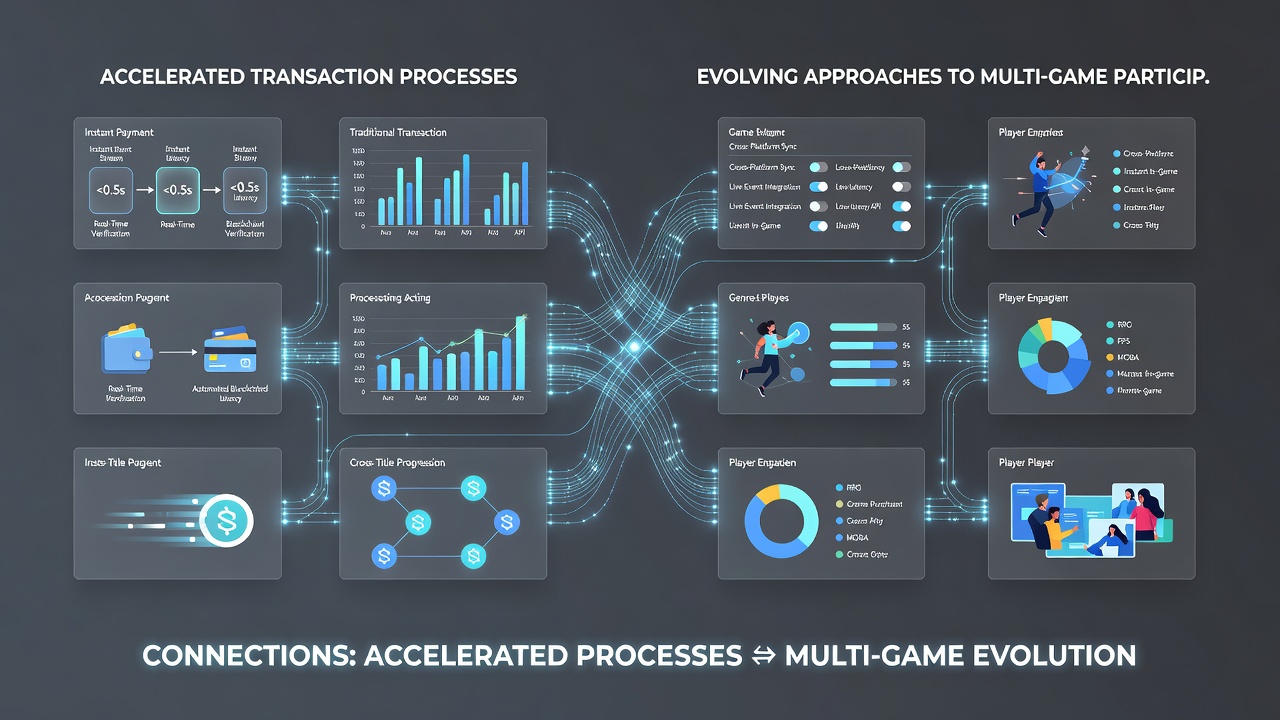
What's interesting is that developers introduced conditional bonuses triggered only after a sequence of fast transfers between modules, which further encouraged participants to sample new offerings. Industry data compiled through June 2026 reveals that redemption rates for these cross-category incentives rose when processing latency dropped below three seconds, whereas longer delays produced measurable drop-off before users reached the next game interface.
Regulatory and Technical Developments in Mid-2026
By July 2026 several jurisdictions updated technical standards to require real-time audit trails for loyalty point movements tied to accelerated payments. The Australian Communications and Media Authority published compliance guidelines that mandate timestamp logging for every transfer between game categories, ensuring that operators maintain verifiable records of how instant processing influences multi-game participation metrics. These rules emerged after pilot programs demonstrated that faster settlement reduced discrepancies between reported and actual player balances.
Operators responded by deploying application programming interfaces that synchronize loyalty ledgers across verticals within the same mobile session. Figures released by state gaming commissions in the United States show that platforms adopting these synchronized ledgers recorded increased session lengths averaging twenty-two minutes longer than those still using asynchronous batch updates at midnight each day.
Observed Participation Shifts
Analysts examining anonymized user data note that participants increasingly treat loyalty frameworks as unified environments rather than collections of isolated games. Transfers completed in under two seconds allow users to move from a slot session into live dealer play or sports markets while maintaining streak multipliers that previously reset upon leaving one vertical. Evidence from aggregated operator reports indicates that this continuity produces steadier point accumulation curves across the month instead of the spikes and plateaus recorded under slower systems.
Those who monitor mobile traffic patterns report that peak multi-game activity now clusters around periods when payment rails operate at highest speed, such as during promotional windows that coincide with live sports events. The resulting data sets reveal tighter correlations between transaction velocity and the number of distinct game categories visited per account within a single calendar week.
Conclusion
Accelerated transaction processes continue to reshape the architecture of mobile loyalty frameworks by removing temporal barriers that once segmented game participation. Available figures from July 2026 demonstrate that operators integrating real-time transfers across slots, table games, and sports betting modules record higher rates of sustained multi-game engagement. Technical standards and loyalty rule adjustments implemented during this period reflect measured responses to these documented shifts in user behavior, establishing operational patterns likely to persist as payment infrastructure evolves further.