Mapping Algorithmic Linkages Between Chance Generators and Strategic Decision Trees in Handheld Reward Ecosystems
Written by Katja Simon · Jun 6, 2026
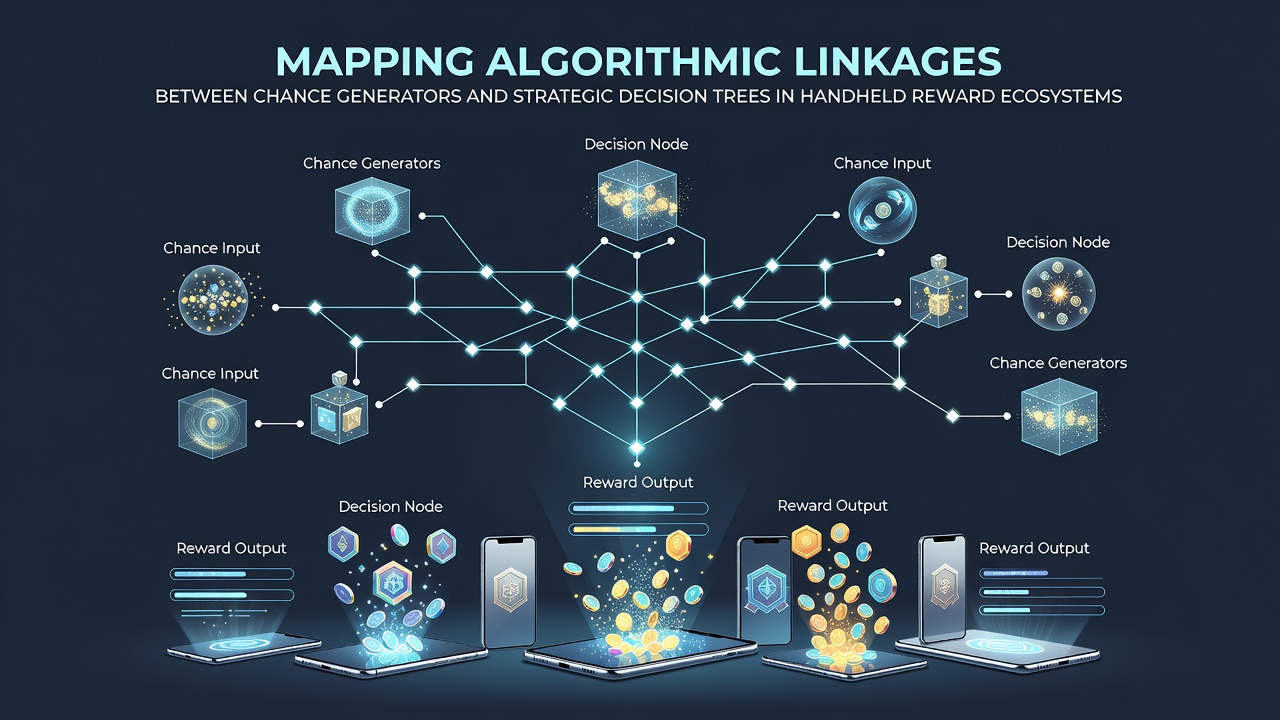
Mapping Algorithmic Linkages Between Chance Generators and Strategic Decision Trees in Handheld Reward Ecosystems
Handheld reward ecosystems rely on precise algorithmic connections that link chance generators with strategic decision trees to distribute incentives across mobile applications, and these systems process inputs from random number generators to determine reward pathways while maintaining compliance with operational standards. Researchers track how chance generators produce sequences that feed directly into decision structures, allowing platforms to allocate bonuses or points based on probabilistic outcomes combined with user behavior patterns. Data from industry reports indicate that mobile platforms integrated these linkages more extensively by early 2026, with updates rolling out in several jurisdictions during June of that year.
Core Components of Chance Generators
Chance generators function as the foundational random elements in these ecosystems, producing outputs that range from numerical sequences to event triggers, while hardware and software implementations ensure statistical randomness through certified algorithms. Observers note that portable devices incorporate both pseudorandom and hardware-based generators to support continuous operation across varying network conditions, and this dual approach allows systems to maintain integrity when handling high volumes of simultaneous user interactions. Studies from academic institutions show that generator outputs undergo multiple validation layers before they influence downstream decision processes.
Structure of Strategic Decision Trees
Strategic decision trees organize possible actions into branching frameworks that evaluate reward eligibility based on predefined criteria, and each node represents a conditional check that incorporates data from chance generators along with user metrics such as session duration or activity frequency. Experts map these trees to optimize computational efficiency on handheld hardware, where memory constraints require streamlined logic that avoids excessive branching depth. Figures from regulatory filings reveal that platforms refined tree structures in 2026 to accommodate new reward categories introduced across multiple regions.
Algorithmic Mapping Techniques
Developers establish mappings by routing generator outputs through specific entry points in decision trees, creating pathways where random results determine which branches activate for reward calculation. These mappings often employ weighted functions that balance pure chance elements against strategic user choices, ensuring that outcomes remain unpredictable yet aligned with ecosystem rules. Research indicates that such integrations became more sophisticated in June 2026 as developers responded to updated technical standards issued by oversight bodies in Canada and Australia.

One approach documented in technical papers involves embedding generator calls at leaf nodes so that final reward values reflect both accumulated strategic progress and fresh random inputs, while another method uses generator results to prune or expand tree sections dynamically during active sessions. Those who analyze these systems report that the mappings reduce latency on handheld devices by precomputing certain conditional paths offline and updating them in real time only when generator values arrive.
Implementation in Portable Environments
Portable reward platforms deploy these mapped systems through cloud-assisted processing that offloads heavy computation while keeping critical random generation local to the device for security reasons, and synchronization protocols ensure that decision tree states remain consistent across sessions interrupted by network changes. Industry organizations such as the Gaming Standards Association have published guidelines that address compatibility between generators and tree architectures on mobile hardware. Data collected through June 2026 showed increased adoption of hybrid models that combine on-device generators with server-side decision evaluation to handle complex reward structures.
Case examples from operational platforms demonstrate how a single generator sequence can trigger multiple tree evaluations simultaneously, distributing rewards across different user tiers without requiring separate random calls for each category. This efficiency matters because handheld ecosystems process millions of interactions daily, and optimized mappings help maintain performance under load.
Regulatory and Technical Considerations
Regulatory bodies in various regions require documentation of these algorithmic linkages to verify fairness and prevent manipulation, with audits focusing on the traceability of generator outputs through decision trees. The New South Wales Government gambling oversight resources outline testing protocols that examine how random sequences influence reward pathways in mobile applications. Updates released around June 2026 emphasized requirements for logging mechanisms that record every mapping step during live operations.
Technical challenges include ensuring that generator quality does not degrade on older handheld devices while decision trees adapt to varying processing speeds, and developers address this through modular designs that isolate generator functions from the core tree logic. Observers tracking platform performance note that these adaptations supported stable reward distribution even as user bases expanded in several markets.
Conclusion
The mapping of algorithmic linkages between chance generators and strategic decision trees continues to shape handheld reward ecosystems through structured integration of random outputs and conditional pathways, supported by ongoing refinements documented in 2026 reports. These connections enable platforms to deliver consistent yet variable reward experiences while meeting technical and regulatory demands across jurisdictions. Continued examination of these systems provides insight into how portable environments balance randomness with strategic elements.