Synchronizing Transaction Ledgers with Layered Incentives Across Reel Cycles, Card Sequences, and Event Predictions in App-Based Ecosystems
Written by Harper Keller · Aug 15, 2026
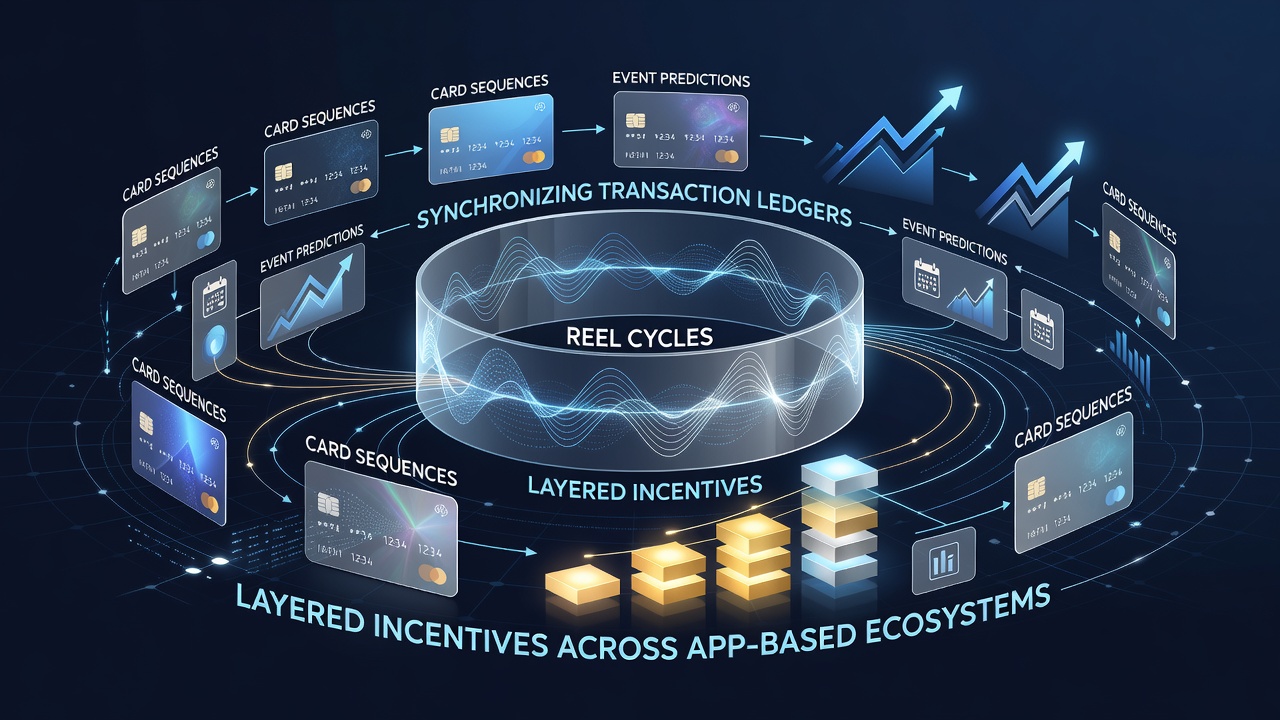
Synchronizing Transaction Ledgers with Layered Incentives Across Reel Cycles, Card Sequences, and Event Predictions in App-Based Ecosystems
App-based gaming platforms in 2026 rely on synchronized transaction ledgers that track player activity across reel cycles in slots, card sequences in table games, and event predictions in sports betting, while distributing layered incentives through unified reward systems. These ledgers record every deposit, wager, and payout in real time, then apply bonuses and loyalty points that span multiple game types without separate tracking silos. Observers note that integration occurs through centralized databases that pull data from individual game engines and push updated incentive balances back to user accounts on mobile devices.
How Ledgers Handle Reel Cycle Data
Reel cycles generate frequent micro-transactions because players spin multiple times per minute, and each outcome updates the ledger with win or loss amounts plus any triggered bonus features. Layered incentives attach to these cycles by awarding points that accumulate toward free spins or cashback, yet the same points can convert for use in card sequences or betting markets. Data from the Nevada Gaming Control Board shows mobile slot revenue climbed steadily through the first half of 2026, which prompted platforms to refine ledger algorithms that recognize patterns across thousands of spins and allocate incentives accordingly.
Card Sequence Integration and Ledger Updates
Card sequences introduce longer decision trees because players choose bets, draws, or folds that alter both immediate outcomes and future incentive eligibility. When a ledger synchronizes these sequences with prior reel activity, it calculates combined progress toward tiered rewards such as tournament entries or multiplier boosts. The process requires matching timestamps and session identifiers so that a blackjack hand played after a slot streak receives credit within the same incentive layer. Researchers at the University of Nevada, Reno documented similar cross-game tracking methods in a 2025 study that examined transaction flows in regulated markets.
Event Predictions and Cross-Game Incentive Layers
Event predictions add another variable because odds shift continuously and settlements occur at different intervals than game rounds. Ledgers must reconcile pending bets with settled results while carrying forward incentive balances earned from reels or cards. In August 2026 several platforms rolled out updated synchronization protocols that reduced latency between a sports market settlement and the application of a layered bonus earned earlier in the same session. These updates allow players to move seamlessly from one category to another without manual transfers or separate wallets.

Technical Mechanisms Behind Synchronization
Developers use application programming interfaces that connect game servers to a central ledger service, then apply rule engines to determine which incentive layer receives each transaction. When a player completes a reel cycle that triggers a multiplier, the ledger flags the amount and makes it available for card sequences or event predictions within defined time windows. This approach prevents double-counting while maintaining audit trails required by regulators. The Canadian Gaming Association published aggregate figures in mid-2026 indicating that integrated mobile systems accounted for a growing share of total wagering volume across participating provinces.
Regulatory and Operational Considerations in 2026
State and provincial regulators require detailed reporting on how incentives move between game categories, which forces platforms to maintain transparent ledger records. In August 2026 several jurisdictions reviewed updated compliance standards that emphasize real-time reconciliation across reel, card, and prediction modules. Platforms that meet these standards can offer seamless layered rewards without triggering separate approval processes for each game type. The synchronization also supports responsible gaming tools because transaction histories remain unified and easier to monitor for patterns that might indicate problem play.
Conclusion
Synchronized ledgers now form the backbone of incentive systems that span reel cycles, card sequences, and event predictions inside app-based ecosystems. By connecting these elements through unified data flows, platforms deliver rewards that reflect overall player engagement rather than isolated game performance. Continued refinement of these systems through 2026 reflects both regulatory demands and operational needs for accurate, timely incentive distribution across mobile environments.