Transaction Methods Linking Live Roulette Sessions to Sports Betting Entries in Digital Loyalty Programs
Written by Ines Brooks · Aug 25, 2026
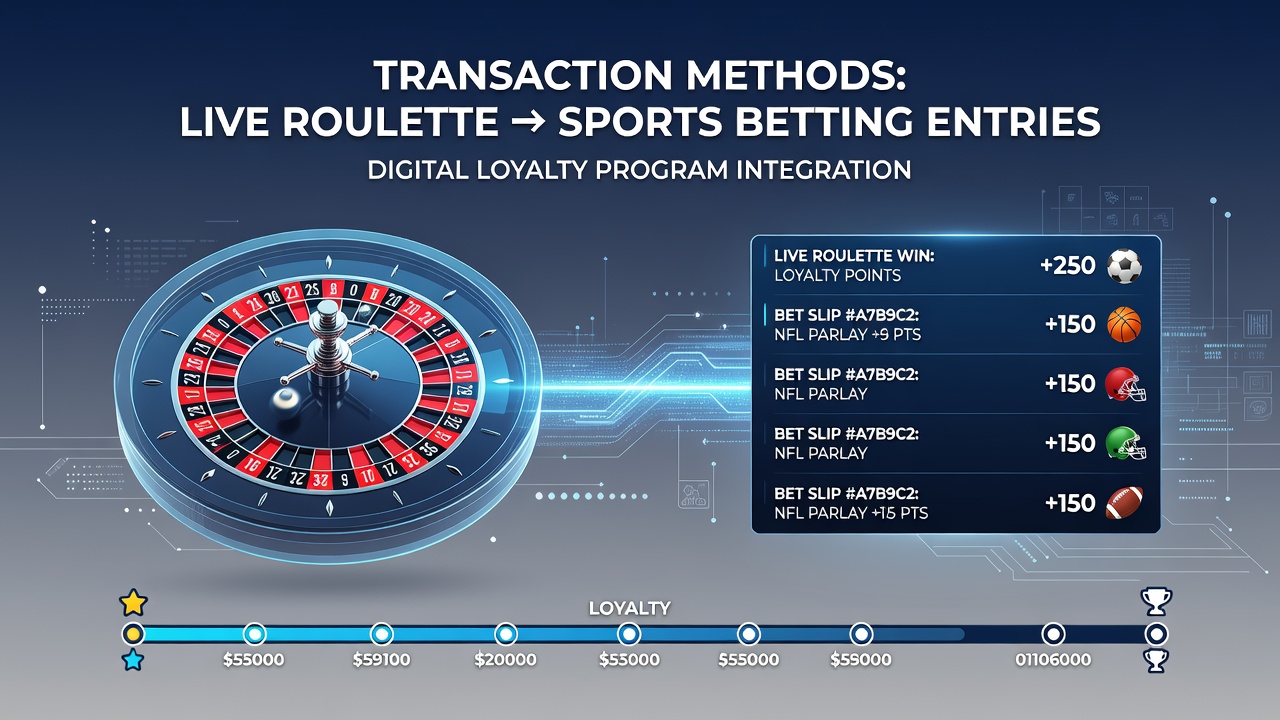
Transaction Methods Linking Live Roulette Sessions to Sports Betting Entries in Digital Loyalty Programs
Digital loyalty programs in online gaming platforms integrate transaction methods that connect live roulette sessions directly to sports betting entries through shared wallet systems and point accumulation mechanisms. These systems rely on instant transfer protocols where funds from roulette wagers move into betting accounts without separate deposits, creating unified player profiles across game types. Data from August 2026 indicates rising adoption of these linkages in platforms operating across multiple jurisdictions.
Payment processors such as e-wallets and cryptocurrency gateways facilitate the connections by embedding loyalty identifiers in each transaction. When a player completes a roulette spin, accumulated points or bonus credits transfer automatically to sports betting ledgers via API calls that sync account balances in real time. Researchers at academic institutions tracking digital gaming have noted that these automated pathways reduce friction and encourage cross-category participation without requiring manual intervention.
Core Transaction Pathways in Unified Loyalty Ecosystems
Live roulette sessions generate transaction records that feed into loyalty algorithms designed to calculate eligibility for sports betting promotions. A single roulette outcome might trigger a deposit bonus that appears as available credit in the sports section of the same account. Industry reports highlight how these pathways operate through centralized databases maintained by platform operators, where every wager logs into a common ledger accessible by both roulette and betting modules.
Observers note that debit card integrations and bank transfer services often include flags that route portions of winnings toward loyalty tiers shared with sports events. In practice, a player depositing via a specific method for roulette can unlock enhanced odds or stake limits on upcoming matches because the transaction history registers across both verticals. This setup relies on secure tokenization that preserves player anonymity while allowing seamless movement of value between game categories.
Technical Integration of Payment Systems
Platform developers employ middleware layers that standardize transaction data from roulette tables and sports books into compatible formats for loyalty engines. These layers handle currency conversions, fee deductions, and point multipliers automatically when funds cross from one section to another. Studies conducted by research organizations in Canada and Australia reveal that such middleware reduces processing delays to under two seconds in most cases during peak hours.
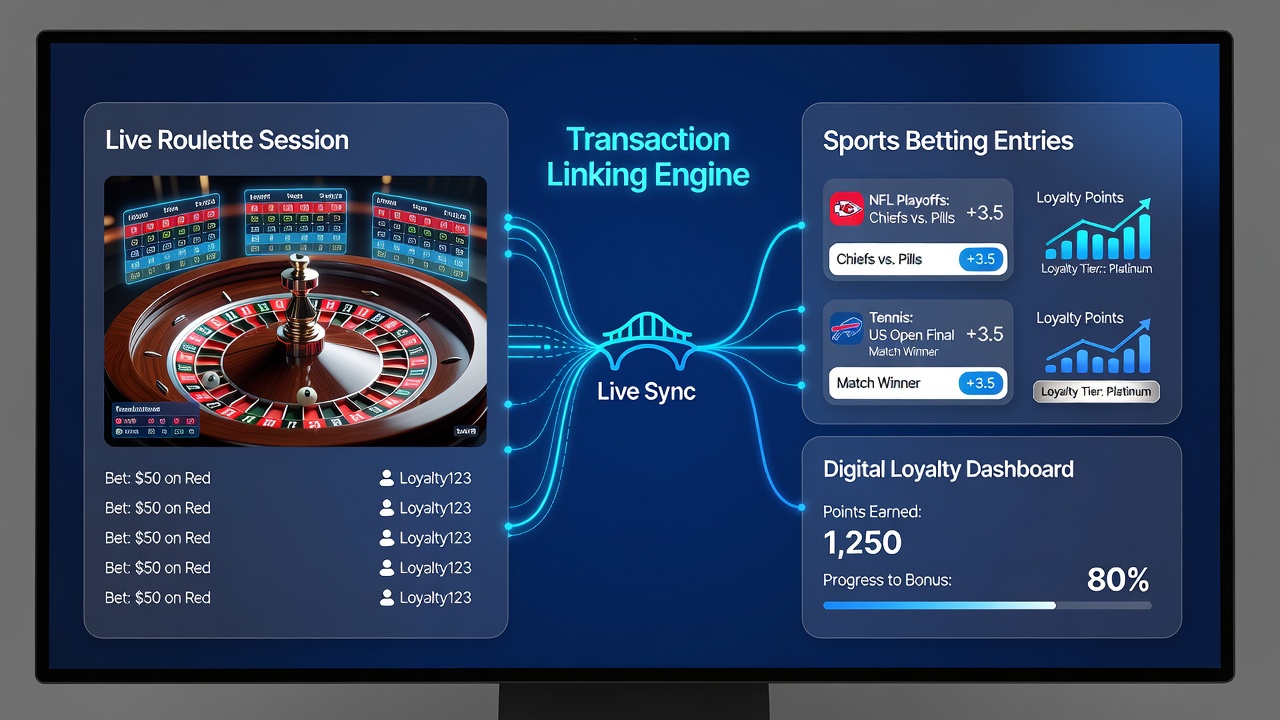
August 2026 figures from regulatory filings show increased use of blockchain-based ledgers for these integrations, particularly in markets where transparency requirements demand immutable records of cross-game transfers. The American Gaming Association has documented how these records help operators comply with responsible gaming limits by tracking total activity across roulette and sports entries under a single loyalty identifier.
Regional Variations in Implementation
European operators often utilize prepaid card systems that link directly to loyalty accounts, allowing roulette winnings to fund sports bets through the same card token. In contrast, North American platforms favor mobile wallet integrations that emphasize instant notifications when points earned at the roulette wheel convert into betting credits. Data compiled by the European Gaming and Betting Association indicates these regional differences stem from varying licensing conditions that dictate how transaction data must be segmented or unified.
Those who analyze transaction logs observe that certain methods, such as instant bank transfers, carry higher conversion rates between roulette sessions and subsequent sports entries because they bypass traditional approval delays. Loyalty programs reward consistent use of these methods with tier upgrades that apply universally, whether the player returns to live dealer tables or places wagers on live events.
Conclusion
Transaction methods that bridge live roulette and sports betting within digital loyalty programs continue to evolve through standardized payment protocols and shared data frameworks. Evidence from regulatory and industry sources in August 2026 demonstrates steady expansion of these connections across global platforms. The mechanisms rely on automated synchronization rather than manual player actions, enabling operators to maintain unified reward structures while meeting jurisdictional requirements for transaction tracking and player protection.